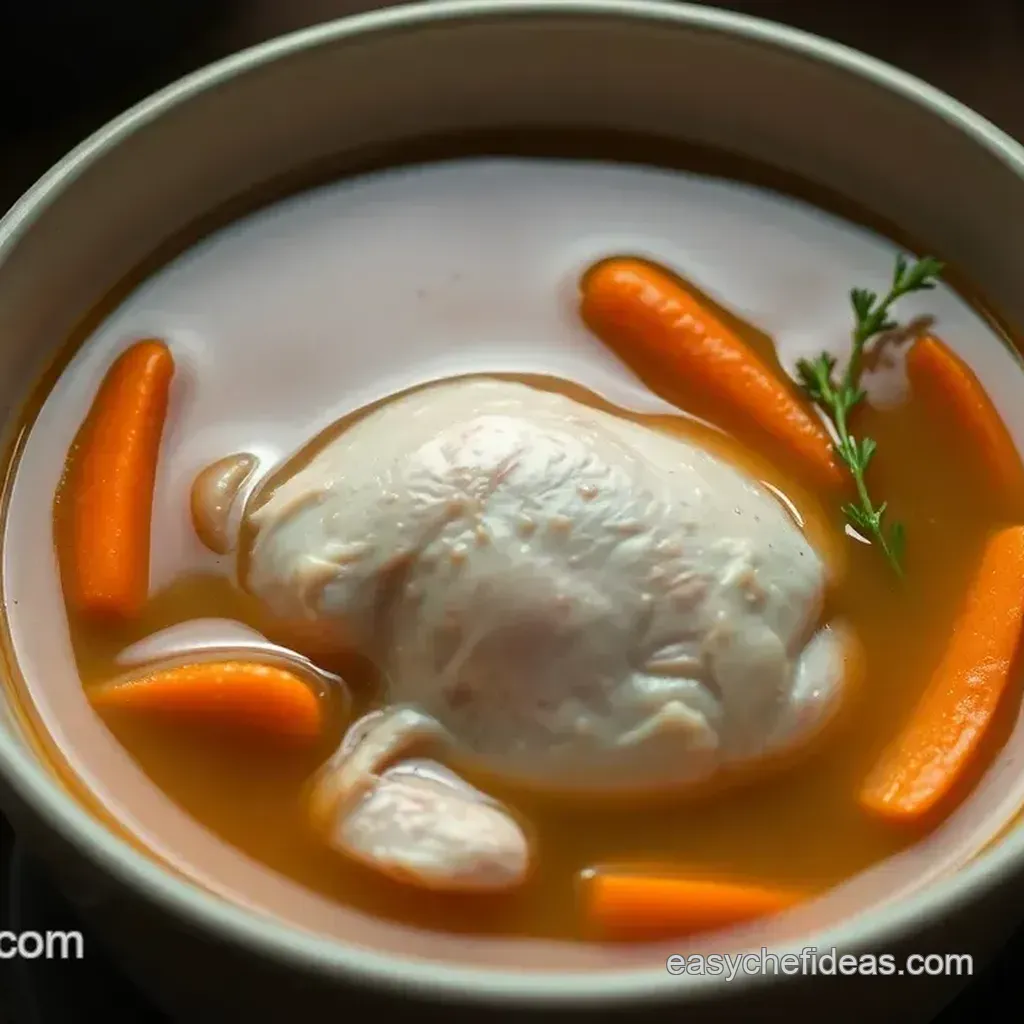
Imagine a rich, aromatic liquid, deep golden in color, brimming with savory notes that elevate every dish it touches. Now, imagine that liquid isn't from a carton but lovingly crafted in your own kitchen, using simple ingredients and minimal effort. This isn't a culinary fantasy; it's the joy of making your own homemade chicken broth recipe. Often dismissed as too complicated or time-consuming, the truth is that making chicken broth from scratch is incredibly straightforward and yields a flavor profile that no store-bought version can ever truly replicate.
Whether you're a seasoned home cook or just starting your culinary journey, the journey to a superior homemade chicken broth is accessible to everyone. Forget the need for specialized equipment; if you have a pot, you have the means. From a classic stovetop stockpot to the convenience of a slow cooker or the speed of an Instant Pot, the perfect broth is within your reach. Prepare to be amazed at how easy it is to transform leftover bones and a few pantry staples into a liquid gold that will revolutionize your soups, sauces, gravies, and more.
Why Homemade Broth Reigns Supreme
Once you experience the depth of flavor a proper homemade chicken broth brings to your cooking, there's truly no turning back. It’s a game-changer for several compelling reasons:
- Unparalleled Flavor: Store-bought broths, even premium ones, often fall flat in comparison. They rely on artificial flavors, excessive sodium, and limited simmering times. Your homemade chicken broth recipe, however, develops a complex, savory richness that simply cannot be replicated by factory processes. The slow extraction of flavors from bones, connective tissues, and optional aromatics creates a robust, nuanced base for anything you prepare.
- Healthier & Wholesome: When you make broth at home, you have complete control over every ingredient. This means no mystery additives, no excessive sodium, and no preservatives. You can tailor it to your dietary needs, whether that's low-sodium, organic, or allergen-free. Plus, simmering bones helps extract beneficial minerals and collagen, particularly if you opt for a longer cooking time, making it a truly nourishing addition to your diet.
- Cost-Effective & Waste-Reducing: Homemade broth is incredibly economical. It transforms what might otherwise be discarded—chicken carcasses, wing tips, vegetable scraps (like onion skins, carrot peels, celery ends)—into a valuable culinary asset. This zero-waste approach is not only budget-friendly but also environmentally conscious.
- Culinary Versatility: A good broth is the backbone of countless recipes. It's essential for comforting soups, adds moisture and flavor to grains like rice and quinoa, forms the base for pan sauces, and can even be sipped on its own as a warming, restorative tonic. Having a batch of homemade broth on hand unlocks a world of culinary possibilities.
Unraveling the Broth, Stock, and Bone Broth Mystery
One of the most common questions in the realm of homemade savory liquids is the distinction between broth, stock, and bone broth. While the terms are often used interchangeably in everyday cooking, there are subtle differences in their traditional definitions and preparation methods.
Broth vs. Stock: A Traditional View
- Chicken Broth: Traditionally, broth is made by simmering meat (with or without bones) and vegetables in water for a relatively shorter period, often 1-2 hours. It tends to be lighter in body and flavor, more seasoned, and sometimes consumed on its own.
- Chicken Stock: Stock, on the other hand, is typically made by simmering primarily bones (often roasted first for deeper flavor) and aromatic vegetables for a longer duration, usually 4-8 hours. The goal is to extract gelatin from the connective tissues in the bones, resulting in a richer, thicker, and often gelatinous liquid when chilled. Stock is generally unseasoned, allowing cooks to flavor their final dishes as desired.
The Rise of Bone Broth
In recent years, "bone broth" has gained significant popularity, particularly in health and wellness circles. While it's essentially a type of stock, the key difference lies in the extended simmering time—often 12-24 hours, sometimes even longer. This prolonged cooking is designed to maximize the extraction of collagen, amino acids, and minerals from the bones. The result is an incredibly rich, concentrated, and usually very gelatinous liquid prized for its potential gut-healing and joint-supporting properties.
For the home cook, especially when starting with a simple homemade chicken broth recipe, the lines often blur. Most homemade recipes, particularly those using carcasses and simmering for several hours, will produce a liquid that embodies the best qualities of both broth and stock. It will be flavorful, nourishing, and wonderfully versatile. So, whether you call it broth, stock, or bone broth, the focus is on creating a delicious, nutrient-rich base for your cooking. If you're keen to dive deeper into these distinctions and minimal ingredient approaches, explore our guide on Homemade Chicken Broth: Stock vs. Broth & Minimal Ingredients.
The Bare Essentials: Ingredients for Your Homemade Chicken Broth Recipe
One of the most appealing aspects of a homemade chicken broth recipe is its simplicity. You don't need a pantry full of exotic spices or rare vegetables. In fact, you can make an incredibly flavorful broth with just two core components:
The Stars: Chicken Bones
This is where the magic truly happens. Any chicken bones will work, but for the best results, aim for a good amount. The ideal scenario is using a whole chicken carcass, especially one from a roasted chicken or a rotisserie chicken. The caramelized bits from roasting add an extra layer of depth to your broth. Other excellent options include:
- Leftover carcass from a whole roasted or slow-cooked chicken: The absolute easiest way to get started. Simply pick off the meat for other meals, and the bones go straight into the pot.
- Rotisserie chicken bones: A convenient shortcut to excellent broth.
- Chicken backs, necks, and wings: These parts are rich in bones and cartilage, providing plenty of gelatin for a rich mouthfeel. Chicken feet are also fantastic for adding gelatin.
- Raw chicken scraps: Anytime you butcher a chicken, save the trimmings.
Pro Tip: Keep a freezer bag designated for chicken bones and vegetable scraps. When it's full, you're ready to make a batch of broth!
The Foundation: Water
Simple, yet crucial. Filtered water is always preferred to avoid any potential off-flavors from tap water minerals or chemicals. You'll need enough to fully submerge your bones.
Optional Enhancements (But Highly Recommended for Flavor)
While bones and water are the absolute minimum, adding a few common vegetables and herbs will significantly enhance the complexity and aroma of your homemade chicken broth recipe.
- Mirepoix: The classic French aromatic base of carrots, celery, and onion. These add a subtle sweetness and earthy undertones. You don't need to peel or finely chop; a rough chop is perfectly fine, even leaving onion skins on for color.
- Garlic: A few cloves (smashed or left whole) add a wonderful savory depth.
- Herbs: Fresh sprigs of thyme, rosemary, bay leaves, or parsley stems can elevate the aroma. Add them towards the last hour of simmering to prevent bitterness.
- Black Peppercorns: A few whole peppercorns provide a gentle warmth.
- Apple Cider Vinegar (ACV): A splash (1-2 tablespoons per gallon of water) of ACV is often recommended. It's believed to help coax more minerals and collagen from the bones, though many highly flavorful broths are made without it. Don't worry, the vinegar flavor dissipates during cooking.
Helpful Tools
- The Pot: A large stockpot (for stovetop), a slow cooker, or an Instant Pot.
- Fine-mesh strainer or cheesecloth: Essential for removing solids and impurities.
- Storage containers: Mason jars, freezer-safe plastic containers, or ice cube trays.
Making Magic: Step-by-Step Homemade Chicken Broth in Any Pot
The beauty of a homemade chicken broth recipe is its adaptability. You can achieve fantastic results with whatever equipment you have available. Here’s how to make it, no matter your pot of choice:
Preparation is Key (But Simple!)
- Gather Your Bones: Whether they're from a fresh whole chicken, a leftover roast, or a rotisserie chicken, ensure you have a good quantity. Remove any excess meat for other dishes, but don't worry about getting every tiny shred.
- Optional Veggies: If using, roughly chop carrots, celery, and onion. There's no need for precision here, as they'll be strained out later.
Method 1: The Classic Stovetop (Stockpot)
The traditional method, yielding incredibly rich flavor and allowing for easy skimming.
- Combine: Place all your chicken bones (and optional vegetables/herbs/ACV) into a large stockpot.
- Cover with Water: Fill the pot with filtered water until all the bones and ingredients are fully submerged, leaving about an inch or two of headspace from the rim.
- Bring to a Simmer: Place the pot over high heat and bring it to a boil. Immediately reduce the heat to the lowest setting to maintain a very gentle simmer.
- Skim (Optional but Recommended): As the broth heats, foam and impurities will rise to the surface. Use a large spoon or ladle to skim off and discard these for a clearer, cleaner broth.
- Simmer Low and Slow: Cook, uncovered or partially covered, for at least 4-6 hours for a basic broth. For a richer stock or bone broth, simmer for 8-12 hours, or even up to 24 hours. The longer it simmers, the more flavor and gelatin will be extracted. Add more water if needed to keep bones submerged.
Method 2: The Hands-Off Slow Cooker (Crockpot)
Perfect for busy schedules, the slow cooker allows for extended simmering with minimal supervision. This method is explored in more detail in our article on Easy Slow Cooker Chicken Broth: Your Guide to Rich Flavor.
- Load Up: Add all bones, optional veggies, herbs, and ACV to your slow cooker insert.
- Fill with Water: Pour in filtered water until the ingredients are covered, typically to the max fill line of your slow cooker.
- Set and Forget: Cook on the LOW setting for 12-18 hours. Some enthusiasts go for 24 hours for maximum extraction. You can even let it simmer overnight.
Method 3: The Speedy Instant Pot (Pressure Cooker)
When time is of the essence, the Instant Pot is your best friend for a quick yet flavorful broth.
- Add Ingredients: Place bones, optional veggies, herbs, and ACV into the Instant Pot insert.
- Add Water: Fill with filtered water, ensuring it does not exceed the "MAX fill" line.
- Pressure Cook: Secure the lid, set the vent to sealing. Cook on HIGH pressure for 60-90 minutes. For a more intense, gelatinous bone broth, go for 120 minutes.
- Natural Release: Once cooking is complete, allow the pressure to release naturally. This typically takes 20-40 minutes and helps in further flavor extraction. Do not force release.
Universal Finishing Steps for All Methods
- Cool Slightly: Once simmering is complete, allow the broth to cool down a bit before handling.
- Strain Thoroughly: Carefully pour the broth through a fine-mesh strainer (or a colander lined with cheesecloth) into a large heat-safe bowl or another pot. Discard all solids—bones, vegetables, and herbs.
- Further Cooling: Let the strained broth cool completely before storing. You can place the pot in an ice bath to speed up this process. As it cools, a layer of fat will rise to the surface. You can skim this off for a leaner broth, or leave it for extra richness. When fully chilled in the refrigerator, the fat will solidify, making it very easy to remove.
Beyond the Basics: Customizing Your Broth and Storage Tips
Once you've mastered the basic homemade chicken broth recipe, you can start experimenting and tailoring it to your specific needs and culinary preferences.
Flavor Variations to Explore
- Spice it Up: For an Asian-inspired broth, add ginger slices, star anise, a cinnamon stick, or even a few dried shiitake mushrooms to the pot.
- Umami Boost: A touch of soy sauce or miso paste (added *after* straining) can deepen the savory notes. Roasted mushroom stems also add fantastic umami during the simmer.
- Herbaceous Notes: Experiment with different fresh herbs. For a Mediterranean feel, consider oregano or marjoram.
- Roasted Vegetables: For a richer, deeper color and flavor, roast your mirepoix vegetables (carrots, celery, onion) until lightly caramelized before adding them to the pot with the bones.
Troubleshooting Common Broth Challenges
- Broth is Too Weak: If your broth lacks flavor, it likely didn't simmer long enough or you didn't have enough bones. You can reduce it further by simmering it uncovered to concentrate the flavor, or next time, use more bones and extend the cooking time.
- Broth is Too Greasy: Don't worry! The fat will rise to the surface as the broth cools. Once completely chilled in the refrigerator, the fat will solidify into a disc on top, making it effortless to lift off and discard (or save for other cooking!).
- Broth is Cloudy: While not ideal for presentation, a cloudy broth is perfectly fine to eat. It often happens if the broth was boiled vigorously instead of gently simmered, or if you stirred it too much during cooking, breaking down solids. Skimming diligently can also help.
Storing Your Liquid Gold
Proper storage ensures your homemade chicken broth remains fresh and ready to use.
- Refrigeration: Once completely cooled, transfer your broth to airtight containers (glass jars or plastic containers) and store in the refrigerator for up to 5 days. You'll likely notice it turns into a jelly-like consistency when cold; this is a sign of excellent gelatin extraction!
- Freezing: For longer storage, freezing is your best bet. Broth can be frozen for up to 6 months.
- Ice Cube Trays: Pour cooled broth into ice cube trays. Once frozen, pop out the broth cubes and transfer them to a freezer-safe bag. This is fantastic for adding small amounts of flavor to pan sauces, sautéed vegetables, or cooking grains.
- Freezer-Safe Containers/Bags: For larger portions, use freezer-safe plastic containers or heavy-duty freezer bags. Remember to leave some headspace in containers, as liquids expand when frozen. Lay freezer bags flat to freeze, then store vertically to save space.
- Defrosting: Simply transfer frozen broth to the refrigerator overnight, or gently thaw on the stovetop over low heat.
Embarking on the journey of making your own homemade chicken broth recipe is a truly rewarding experience. Not only will you elevate the flavor of your everyday cooking to gourmet levels, but you'll also gain a sense of accomplishment and contribute to a more sustainable kitchen. From the simplest stockpot to the most advanced pressure cooker, the power to create this liquid gold is firmly in your hands. So, gather those bones, fill your chosen pot, and prepare to savor the unparalleled taste of truly homemade goodness.
