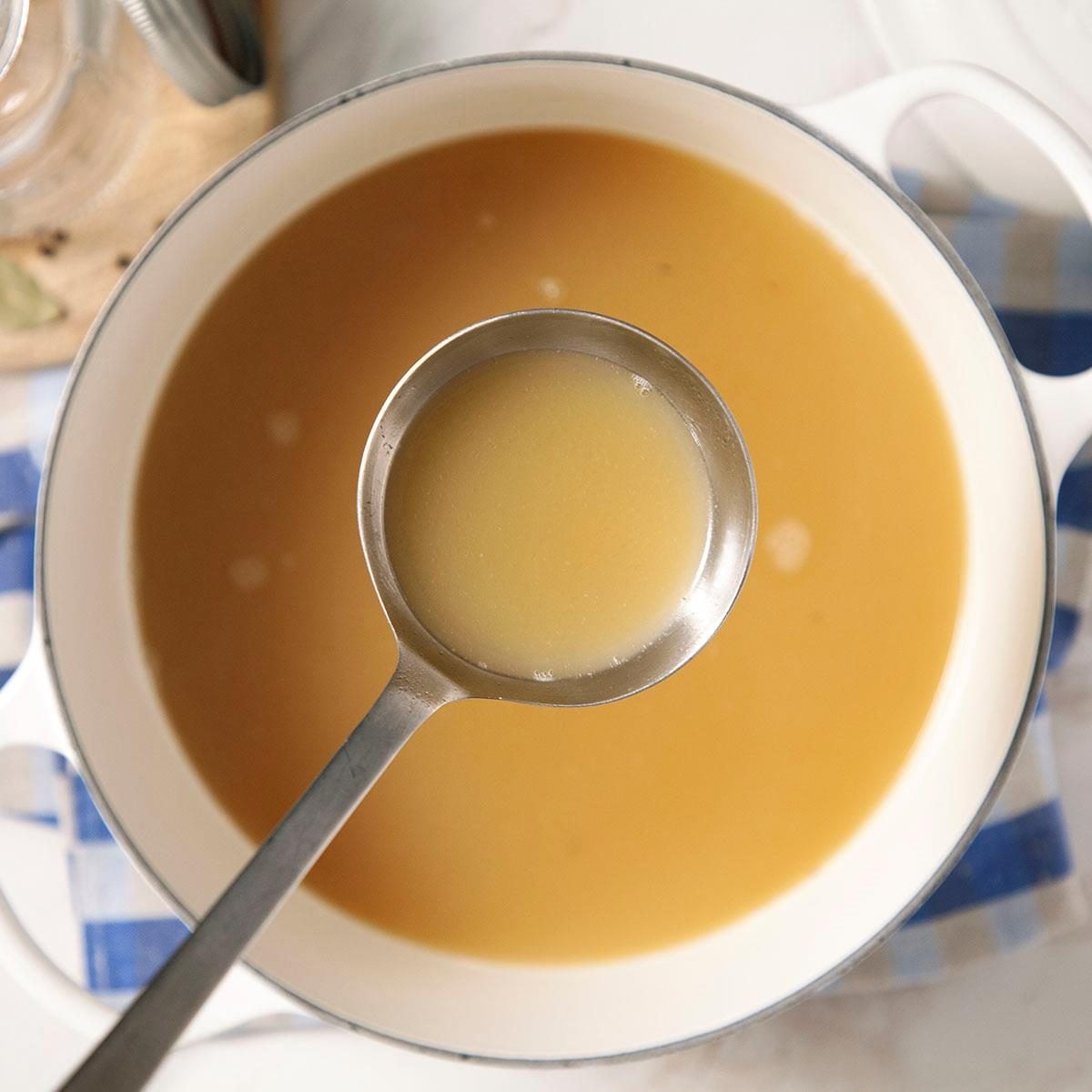
The Golden Secret to Superior Cooking: Crafting Homemade Chicken Broth
Imagine a foundational ingredient that transforms your everyday cooking, infusing dishes with unmatched depth and flavor. That's the magic of homemade chicken broth. While store-bought cartons offer convenience, they often fall short on taste, nutritional value, and the purity of ingredients. Once you experience the rich, savory goodness of broth made from scratch, especially one focusing on minimal ingredients, you'll wonder how you ever cooked without it. This comprehensive guide will walk you through the surprisingly simple process of creating your own liquid gold, demystify the stock vs. broth debate, and empower you with a truly effective homemade chicken broth recipe.
The Unbeatable Benefits of Homemade Chicken Broth
Beyond its culinary superiority, making your own chicken broth offers a multitude of advantages that resonate with health-conscious and budget-savvy cooks alike. It’s an act of resourcefulness, turning what might otherwise be discarded into a nourishing elixir.
- Unparalleled Flavor Depth: The most immediate and apparent benefit. Homemade broth boasts a rich, complex flavor that no amount of store-bought concentrate can replicate. It elevates everything from soups and stews to risottos and gravies.
- Superior Nutritional Profile: When simmered slowly, chicken bones release valuable minerals like calcium, magnesium, phosphorus, and potassium. Crucially, they also release collagen, which breaks down into gelatin, renowned for its gut-healing properties and benefits for joint and skin health.
- Cost-Effective and Waste-Reducing: Using leftover chicken carcasses and vegetable scraps is a smart way to minimize food waste and save money. You're transforming "trash" into a treasure, stretching your food budget further.
- Control Over Ingredients: Say goodbye to excessive sodium, artificial flavors, and preservatives often found in commercial broths. With your own homemade chicken broth recipe, you control exactly what goes into your pot, ensuring a pure, wholesome product free from unwanted additives.
Demystifying Stock, Broth, and Bone Broth: Are They Different?
The terms "chicken stock," "chicken broth," and "chicken bone broth" are often used interchangeably in modern kitchens, leading to understandable confusion. While traditional culinary definitions once drew sharper lines, contemporary usage has largely blurred these distinctions.
- Traditional Broth: Historically, broth was made by simmering meat (sometimes with bones) and aromatic vegetables for a shorter period, resulting in a lighter, more flavorful liquid often consumed on its own or as a soup base.
- Traditional Stock: Stock was typically made by simmering roasted bones (often with a small amount of meat adhering to them) and mirepoix (carrots, celery, onion) for a longer duration. The roasting of bones gives stock a deeper color and more robust flavor, and its higher gelatin content makes it excellent for gravies and sauces.
- Bone Broth: This term emerged more recently, largely emphasizing the prolonged cooking time (often 12-24 hours or more) and the focus on extracting maximum nutrients, particularly collagen and gelatin, from bones.
In practice, for the home cook, the most important takeaway is this: they are essentially the same thing in terms of how you'd typically make them and how they're used. If you simmer chicken bones and water for several hours, you will produce a nourishing, flavorful liquid that can be called broth, stock, or bone broth. The primary difference often lies in concentration and cooking time – bone broth might be simmered longer for maximum nutrient extraction, resulting in a thicker, more gelatinous liquid. But rest assured, any good homemade chicken broth recipe will yield a versatile product usable in any scenario.
The Minimalist's Guide to Homemade Chicken Broth: Just Bones and Water
The beauty of a truly great homemade chicken broth recipe lies in its simplicity. You don't need a pantry full of exotic ingredients; the magic truly happens with just two core components: bones and water.
Choosing the Best Bones for Optimal Flavor and Nutrition
While any chicken bones will technically yield broth, the type of bones you use can significantly impact the final flavor, richness, and nutritional content. For the most robust and satisfying results:
- Whole Chicken Carcass: This is the gold standard. After roasting a whole chicken (or using a rotisserie chicken), strip all the meat for other meals and use the entire skeleton. The various bones, cartilage, and connective tissues provide a broad spectrum of flavor and nutrients.
- Roast Chicken Bones: Whether from a homemade roast or a store-bought rotisserie chicken, these bones are fantastic because they've already been cooked and browned, which adds immense depth and color to your broth.
- Backs and Necks: Often inexpensive, these parts are rich in bone, cartilage, and a little meat, making them excellent choices.
- Chicken Feet: Though they might look intimidating, chicken feet are a secret weapon for super gelatinous broth. Their high collagen content will give your broth that desirable "jiggle" when cooled.
- Quality Matters: If possible, opt for bones from organic, pasture-raised chickens. These often have a better nutritional profile and contribute to a cleaner, more vibrant flavor. Check local butchers or specialty meat providers.
Essential Tools for Broth Making (Even if Minimalist)
While the ingredients are minimal, a few tools will make the process incredibly easy and efficient:
- Large Pot (Crockpot, Instant Pot, or Stockpot): Choose based on convenience. A slow cooker (Crockpot) is fantastic for long, unattended simmering. An Instant Pot significantly reduces cooking time. A large stockpot works perfectly on the stove.
- Fine Mesh Strainer or Cheesecloth: Absolutely essential for removing all bone fragments, sediment, and impurities, leaving you with a beautifully clear broth.
- Storage Containers: Airtight containers for refrigeration and freezer-safe bags or containers (or even ice cube trays) for longer storage.
Your Step-by-Step Homemade Chicken Broth Recipe
This minimalist homemade chicken broth recipe focuses on the Crockpot/slow cooker method, offering incredible ease, but we'll also touch on other options.
Prepping Your Bones for Broth Perfection
- Collect Your Bones: Save bones from roasted chickens in a freezer bag until you have enough for a batch (usually one large carcass or 2-3 smaller ones).
- Optional Roasting (for raw bones): If using raw chicken bones (like backs, necks, or feet), consider roasting them first at 400°F (200°C) for 30-45 minutes until browned. This step isn't strictly necessary but deepens the flavor and color of your broth significantly.
- Clean Your Bones: Ensure any large pieces of meat or skin that might scorch are removed, though a little meat is fine.
The Simmering Process: Time, Temperature, and Patience
- Load Your Pot: Place all your chicken bones into your chosen pot (Crockpot, Instant Pot, or large stockpot).
- Cover with Water: Fill the pot with filtered water, ensuring all bones are completely submerged. For a Crockpot, you can often fill it right to the top, leaving a small headspace. The amount of water will vary based on your pot size and bone quantity.
- Add a Splash of Vinegar (Optional but Recommended): A tablespoon of apple cider vinegar can help draw minerals out of the bones. You won't taste it in the final product.
- Cook:
- Slow Cooker (Crockpot): Cook on LOW for 12-18 hours. The longer, the richer.
- Stovetop: Bring to a gentle simmer (do not boil rapidly), then reduce heat to the lowest setting. Simmer, partially covered, for 4-8 hours. Skim any foam that rises to the surface during the first hour or so.
- Instant Pot: Add bones and water. Seal the lid and set to high pressure for 90-120 minutes. Allow for a natural pressure release (NPR) for best results.
- Never Boil: A rapid boil can make your broth cloudy and extract unwanted flavors. A gentle simmer is key to a clear, flavorful broth.
Straining, Cooling, and Storage: Maximizing Freshness
- Cool Slightly: Once cooking is complete, allow the broth to cool down slightly in the pot.
- Strain the Broth: Carefully pour the broth through a fine-mesh strainer or a colander lined with cheesecloth into a large bowl or heat-safe container. Discard the spent bones and any solids.
- Cool Completely: For food safety, it's crucial to cool the broth completely before storing. You can place the bowl in an ice bath or let it cool at room temperature for a short period (no more than 2 hours) before transferring to the refrigerator. Once chilled, any fat will solidify on top and can be easily skimmed off if desired (though leaving it adds flavor and acts as a natural seal).
- Storage:
- Refrigerator: Store in airtight containers for up to 5 days.
- Freezer: For longer storage (up to 6 months), pour into freezer-safe containers, heavy-duty freezer bags (lay flat for easy stacking), or even ice cube trays for smaller, individual portions.
Having a batch of this liquid gold on hand is a game-changer for countless recipes. For more detailed instructions and ideas on how to make better-than-store-bought chicken broth in any pot, explore further!
Elevating Your Broth: Optional Additions and Flavor Variations
While a minimalist homemade chicken broth recipe with just bones and water is profoundly delicious, you can certainly customize and enhance your broth with a few simple additions. These are entirely optional but can add layers of complexity.
- Aromatic Vegetables: The classic "mirepoix" of carrots, celery, and onion are common additions. Garlic cloves can also enhance flavor. Add these during the last hour or two of simmering to prevent them from becoming bitter.
- Fresh Herbs: Sprigs of fresh thyme, rosemary, or a couple of bay leaves can infuse your broth with wonderful earthy notes. Add these towards the end of the cooking process to preserve their delicate flavors.
- Black Peppercorns: A teaspoon of whole black peppercorns can add a subtle warmth.
- Salt: It's generally recommended to season your broth lightly, or not at all, during the cooking process, as it will reduce and concentrate. You can always add salt to your final dish.
Embrace the versatility of your homemade broth! For a deeper dive into crafting the perfect slow cooker version, check out our guide on Easy Slow Cooker Chicken Broth: Your Guide to Rich Flavor.
Conclusion
Making your own chicken broth from scratch is a rewarding culinary endeavor that pays dividends in flavor, nutrition, and cost savings. It's a simple process, requiring minimal ingredients and offering incredible flexibility. Whether you prefer the set-it-and-forget-it ease of a slow cooker, the speed of an Instant Pot, or the traditional stovetop method, a truly exceptional homemade chicken broth recipe is within your reach. Once you experience the unparalleled richness and purity of your own liquid gold, you'll likely never go back to store-bought. So, gather your bones, fill your pot with water, and get ready to transform your cooking one delicious batch at a time. To truly master the art, explore how to make chicken broth in any pot and elevate your kitchen game!
